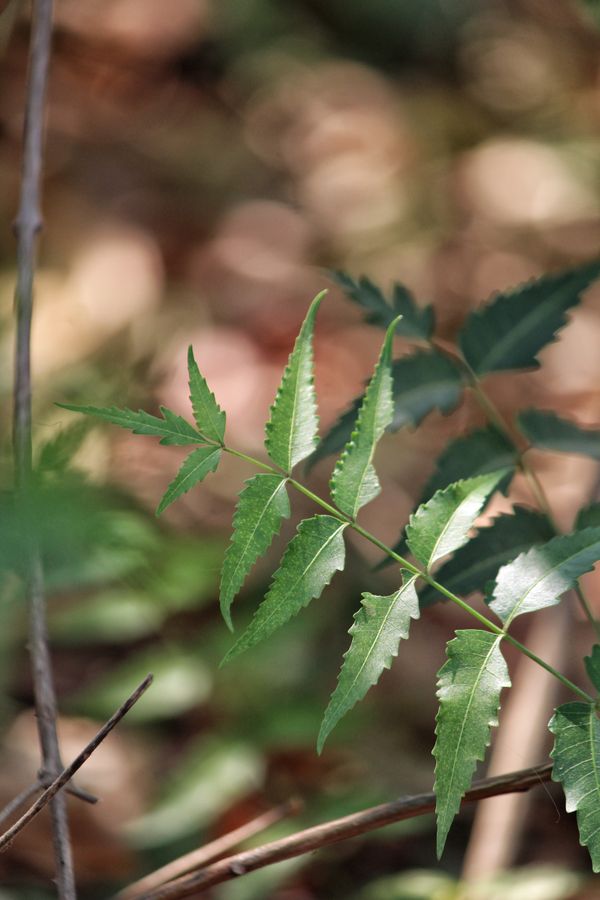
Neem
Azadirachta indica
"নিম (Neem)"
Quick Facts
Neem
Azadirachta indica
TreeBloom Months
About
Azadirachta indica, commonly known as neem, margosa, nimtree or Indian lilac, is a tree in the mahogany family Meliaceae. It is one of the two species in the genus Azadirachta. It is native to the Indian subcontinent and to parts of Southeast Asia, but is naturalized and grown around the world in tropical and subtropical areas. Its fruits and seeds are the source of neem oil. Nim is a Hindustani noun derived from Sanskrit nimba (निंब).
Data Attribution & Acknowledgments
Text & Information
Photographs (21 images)
© Arivumathi, Biswarup Ganguly, Thamizhpparithi Maari, Vinayaraj, రహ్మానుద్దీన్, Jimmy tikhak, Paryavarana Margadarsi Vaisakhi, Billjones94, Rakesh.5suthar
Plantopedia aggregates openly licensed biodiversity data and imagery from the sources above. All content is sourced under Creative Commons or public domain licenses — see individual source links for full license terms and attribution requirements.
Help Improve This Record
Spotted something wrong or have a better photo? Let us know.
Community Observations
Sign in to share your observations about this species.
No observations yet. Be the first to contribute!